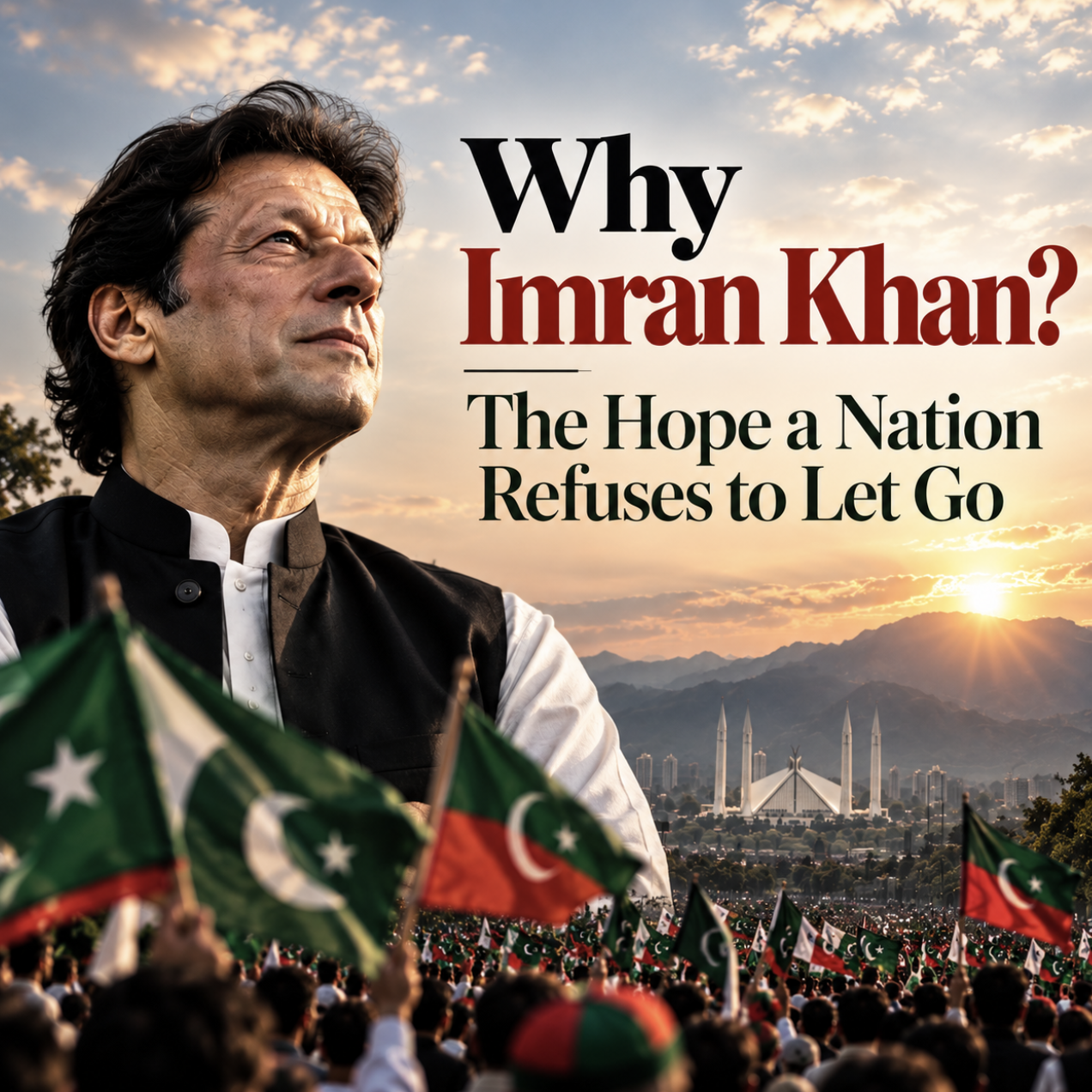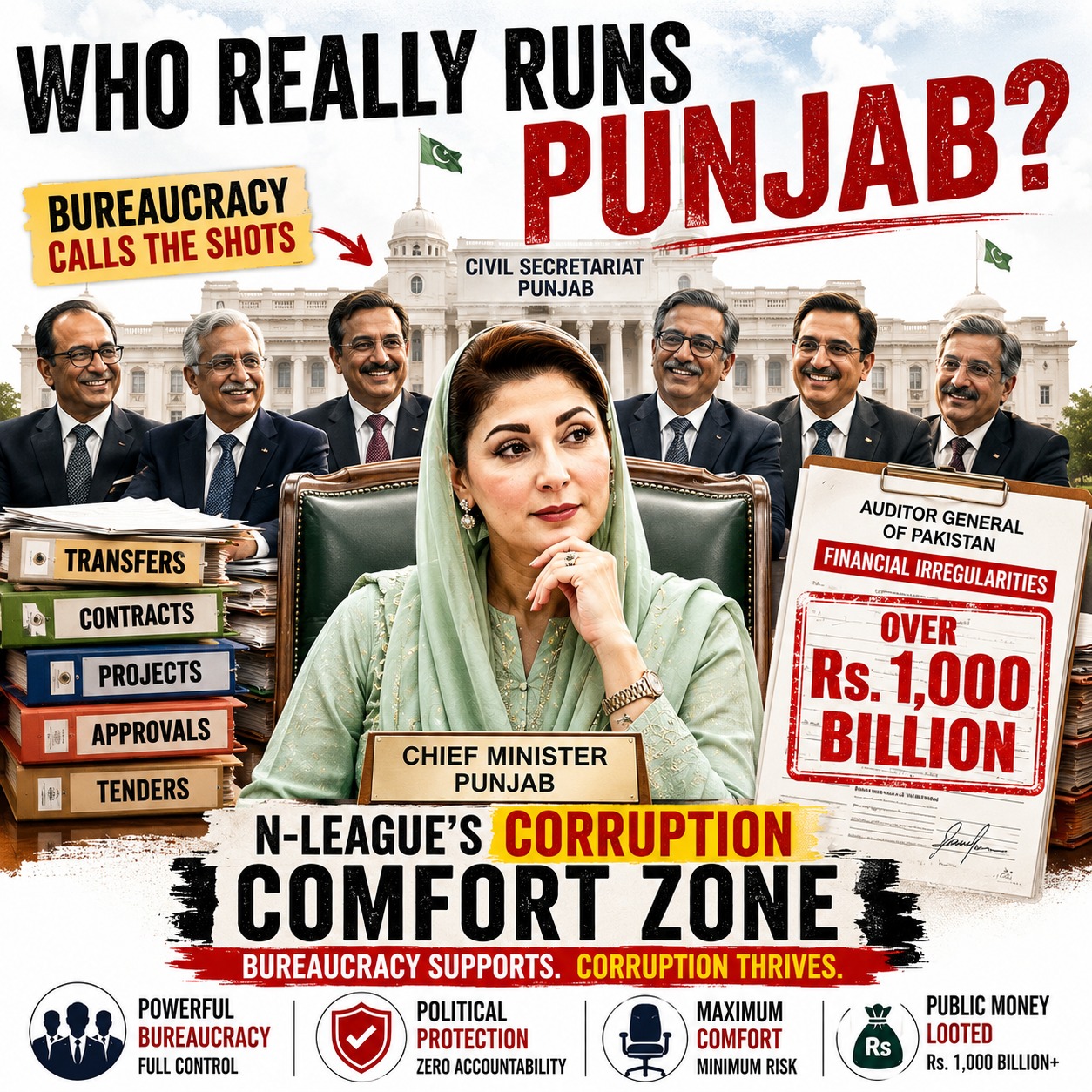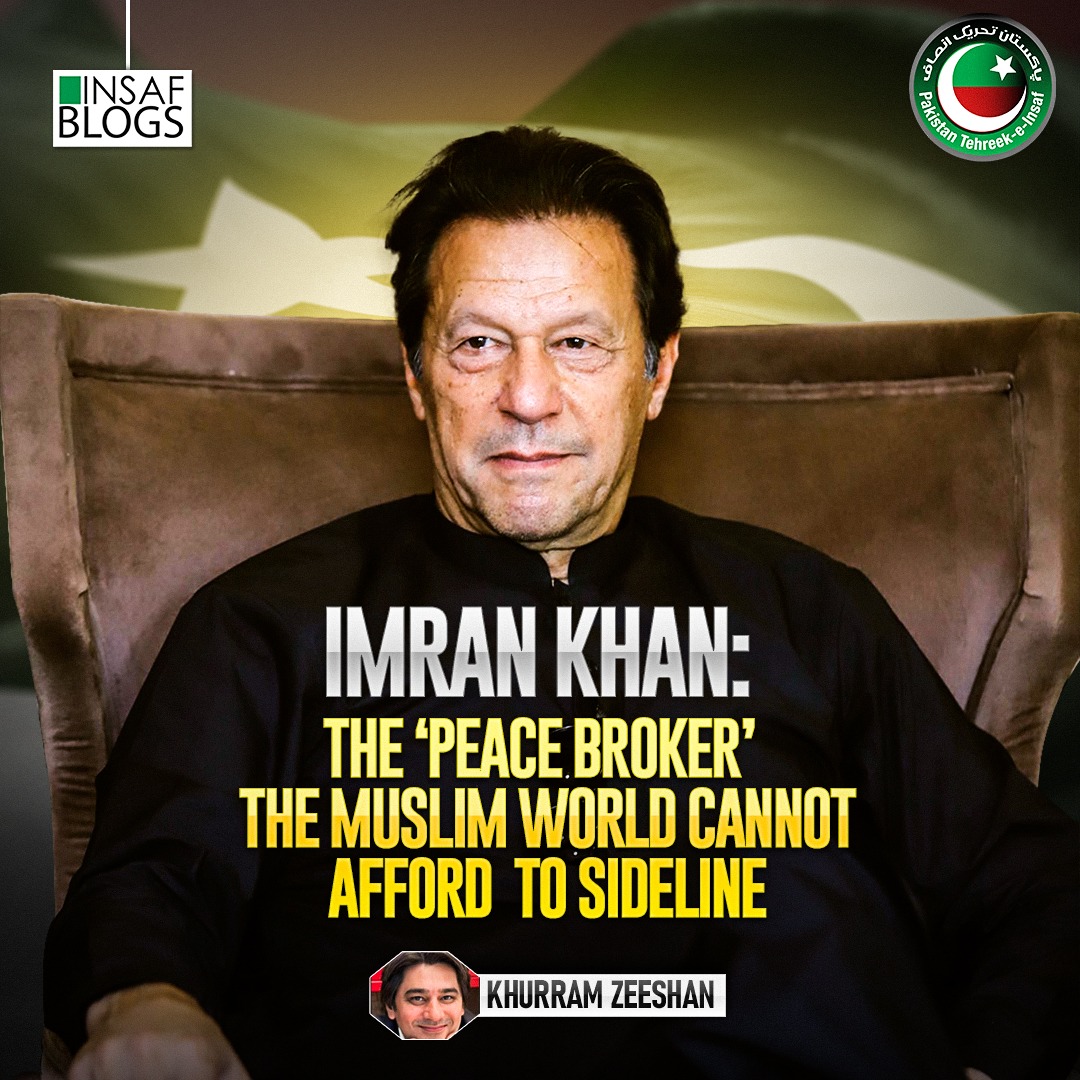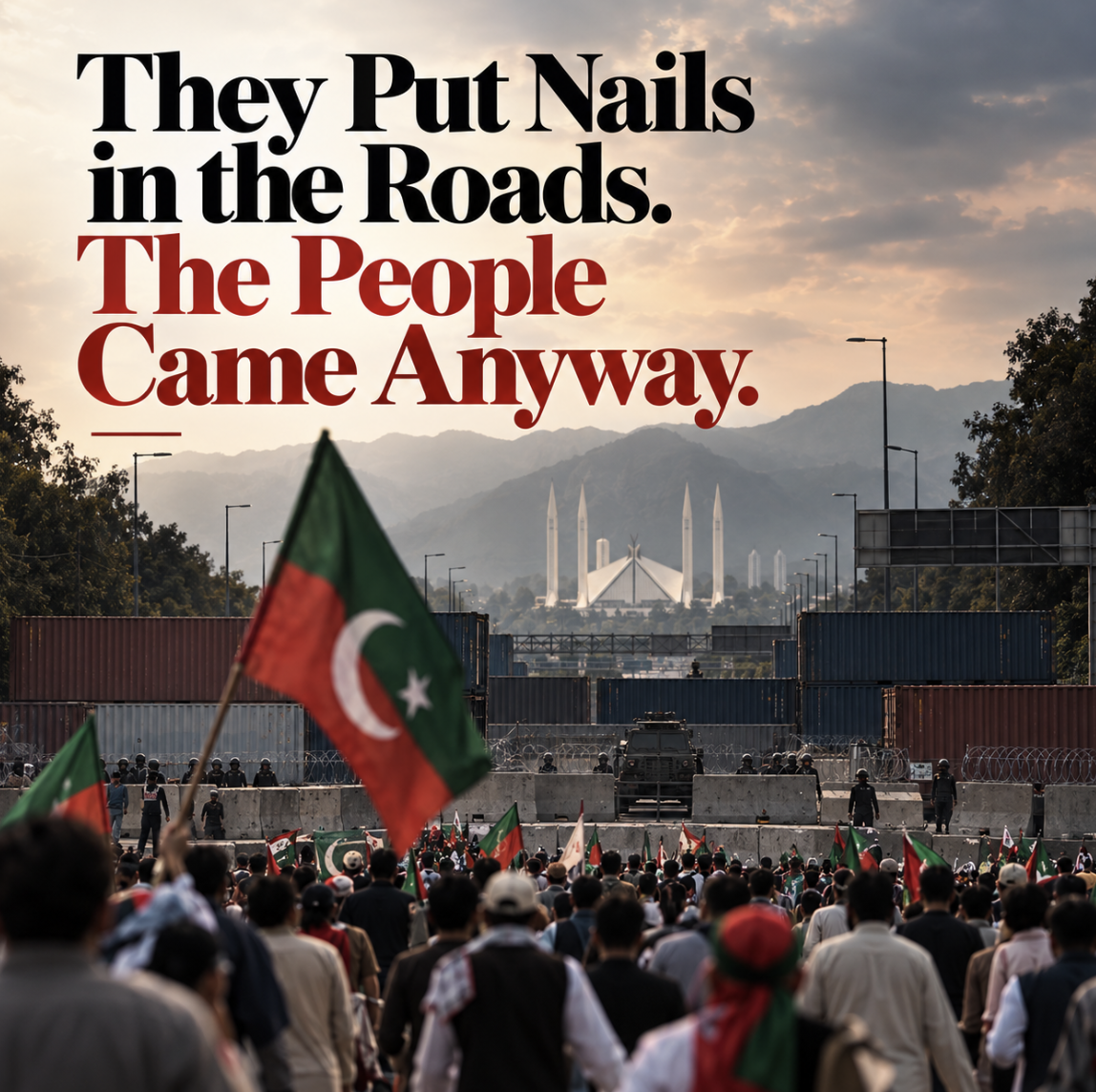
They Put Nails in the Roads. The People Came Anyway.
Containers across the motorways. Hazara's road links to Punjab were severed. Hotels around Faizabad ordered shut. Rangers authorised for deployment in the capital and across Punjab's districts. And a minister daring a party to show its courage.
Consider what it says about a government that, to stop a peaceful march, it must first turn the country's own roads into obstacles. Nobody fortifies a capital against a crowd they believe is small. Nobody seals highways against a movement they think has been defeated. The scale of the precautions is the clearest admission of how much the people still matter.
When Khyber Pakhtunkhwa Chief Minister Sohail Afridi said that no matter how many nails were put in the roads, this march would not be stopped, he was not just speaking for a party. He was describing a nation that has been told, again and again, to sit down, and has refused.
Three Years Behind a Wall
Imran Khan has spent roughly three years in custody, and his supporters have never accepted the terms of it. They point to a cascade of cases, to meetings with his family and lawyers restricted, and to court orders concerning his access and care that Afridi says go unimplemented while orders against the party are carried out within the hour. Even the demand at the heart of this march has been narrowed by circumstance: Afridi has said it is, at minimum, about restoring access to the man himself.
Think about what that means. A leader whom millions chose as their voice, kept from the people who want to see him, and the people respond not with violence but with a march.
Everything They Tried
Supporters of PTI will tell you the list is long, and they will tell it in order.
The party was stripped of its electoral symbol before the 2024 vote, forcing its candidates to run as independents and handing every other party an advantage. The party's own account is that its workers were harassed, candidates were arrested or forced to hide, and communications were disrupted around polling day. When results came, discrepancies between the polling-station forms the party's candidates held and the final tallies became the centrepiece of its claim that a mandate was taken from the people. International governments and rights groups called for scrutiny. Reserved seats, the party says, were then withheld from it.
After the unrest of May 9, 2023, party leaders and workers were arrested in large numbers, and many of its most prominent figures were jailed or pressured into leaving the party. Women, including senior party figures and ordinary workers, were taken into custody, and families say their homes were raided. Party members describe disappearances, years of detention, and a steady drip of new cases to ensure that no one released is ever really free.
The government has its own account of all this, and we'll come to it. But for the millions who believe the version above, none of it is abstract. It is a neighbour who stopped answering his phone. A mother who lost her job for attending a rally. A daughter who watched police arrive at the door.
The Love That Won't Be Arrested
What no crackdown has been able to achieve is the thing at the centre of this movement: the bond between a people and the man they trust.
It would have been logical for it to fade. Leaders who vanish from public view usually vanish from public memory. Years of absence, of censored coverage, of a party leadership emptied by arrests, should have drained the movement. Instead the party plans to mark October 5, Khan's
birthday, as a "Victory Day". Think about the confidence in that. A man in a cell, and his supporters are planning a celebration.
This is what the establishment never understood. It treated the movement as a machine that could be broken by removing parts, a symbol here, a leader there, a few hundred workers. But what holds this movement together was never an organisation. It is conviction. It is the belief, held by ordinary people in villages and cities and abroad, that they were promised a say in their own country and will not accept being told they never had one.
What the March Is Really About
Afridi has described the march as a call to restore the Constitution, and said it would be peaceful. PTI Chairman Gohar Ali Khan urged the government to open talks and warned that political workers must not be met with force. That is not the language of a movement looking for a fight. It is the language of one looking to be heard after every other door is closed. One of the party's own leaders said the march was a last option because nobody was listening.
Whatever happens on the road to Islamabad, and I want to be honest that the march was still unfolding as this was written, the argument it makes has already landed. A government confident in its mandate does not need to close hotels. A state confident in its case does not need containers. The roads they blocked, the nails they laid, the restrictions they imposed are themselves the evidence that the people are not defeated, and that the people know it.
They have been told to bow. They have not.